

AWC Eliminates scaling Problem for Potable RO Plant in Alabama
Download PDF →The Facility
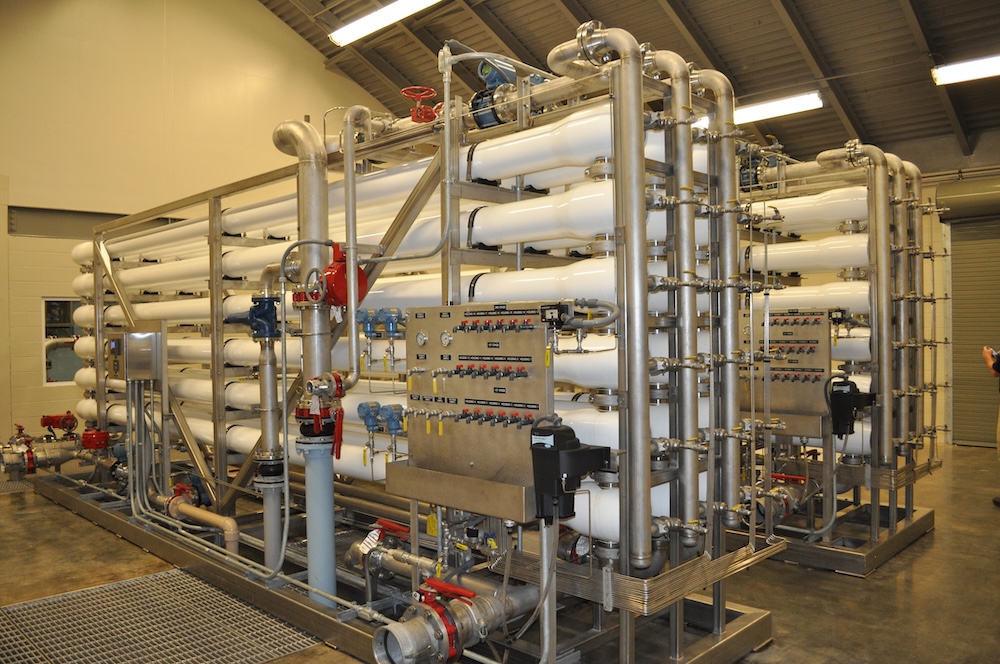
The municipal potable water RO Plant has a capacity of 640 GPM. The plant consists of two trains, each operating at 75% recovery. The train configuration is (4×6) -> (2×6) with Hydranautics ESPA-1 membranes in the first stage and ESPA-2 membranes in the second stage.

The Problem
The plant’s feedwater originated from a brackish well with high silica and iron. After just 4 months of operation, the plant was experiencing a 22% rise in feed pressure and a decline in permeate flow. They were dosing antiscalant at a high dosage of 7.8ppm that was specified by their supplier.
The plant’s system supplier performed a cleaning, but did not recover productivity and resulted in an increased salt passage. American Water Chemicals was then contacted to perform autopsies on the first stage lead and second stage tail elements.
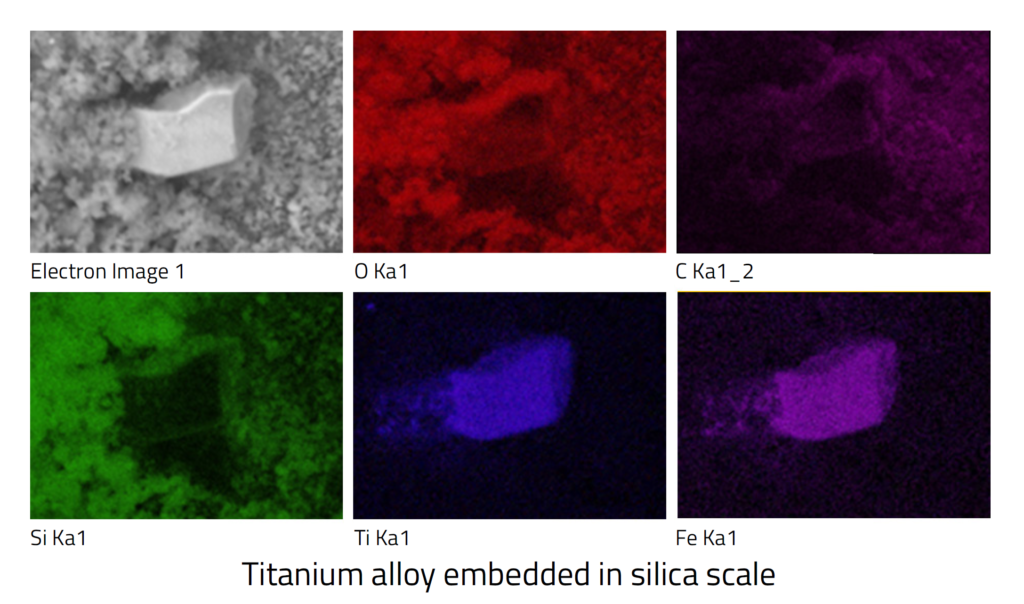
The first stage lead element was fouled with biological matter and suspended solids. The last stage tail element was fouled with phosphate scale, polymerized silica, suspended solids, and biofilm. Delamination had caused an irreversible 3% loss in salt rejection.
The Solution
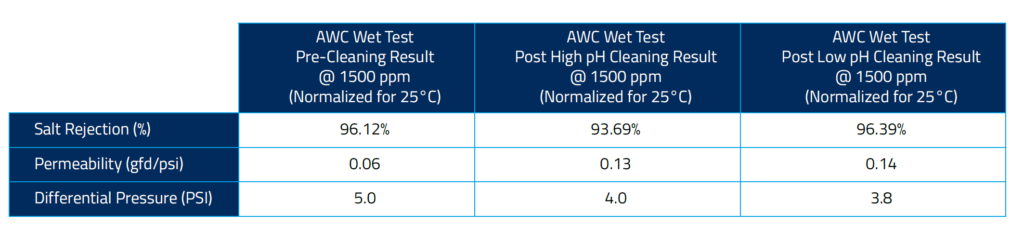
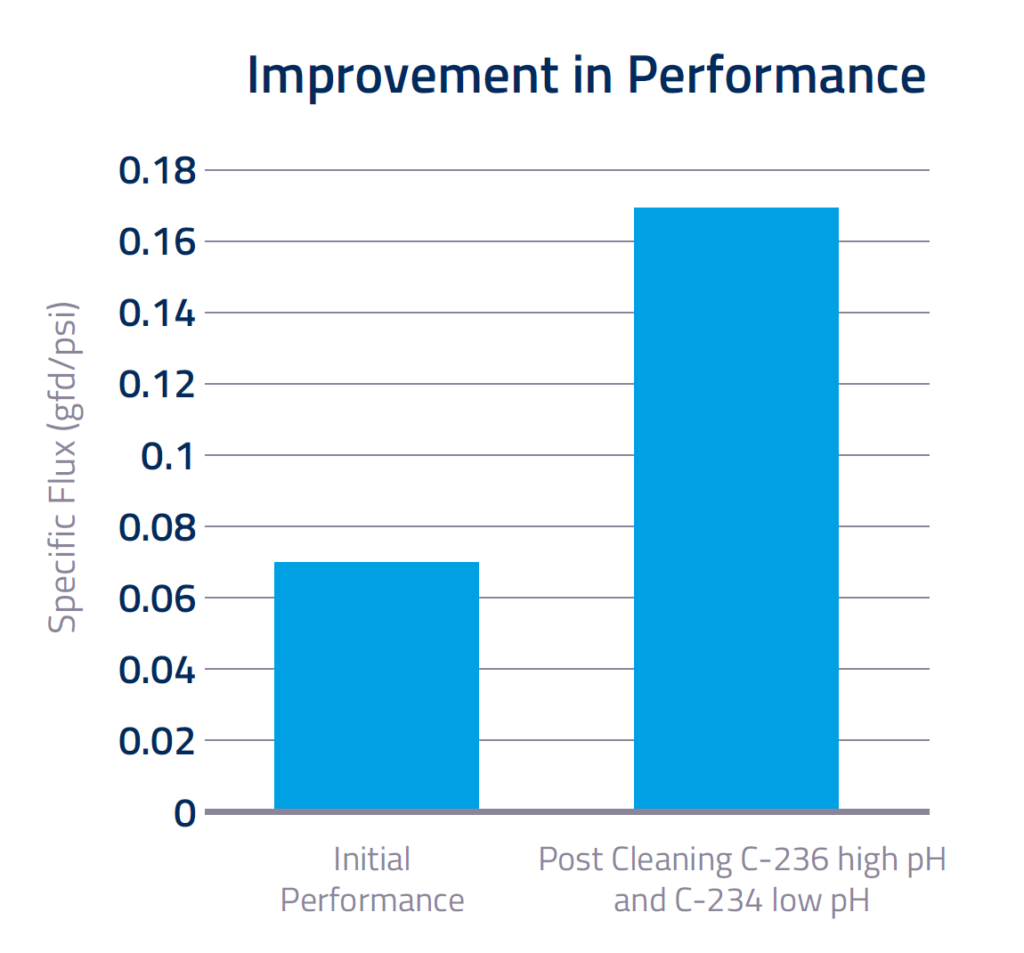
A cleaning study determined that AWC C-236 high pH silica cleaner and AWC C-234 low pH cleaner would remove all scaling and fouling from the membrane surface. Membrane permeability was restored within the specification range; however, the lost salt rejection which had been caused by delamination could not be recovered.
American Water Chemicals performed a thorough water analysis, Proton computer projections, and ROSSEP lab scaling simulations. It was determined that AWC A-110 at a dosage of 2.5 ppm would prevent a recurrence of the scaling that the plant had incurred. AWC A-110 is formulated specifically for feedwater containing high phosphate and/or high silica.
The Results
The plant implemented all the recommended changes and sucessfully recovered productivity. Due to the irreversible mechanical damage identified by the autopsy, the membranes were replaced one year later.
The plant has not experienced any further incidents of scale formation since AWC A-110 dosing was started in November 2012.
Read the full case study
Download PDF